
November and December are when Mauritius turns warm, bright and festive: summer arrives, the lagoons heat up, lychees appear at roadside stalls, and the island moves from the lights of Divali to Christmas and New Year in the space of eight weeks.
It is also the start of the official cyclone season and the busiest, most expensive stretch of the travel year. Planning well means knowing which weeks are calm and good value, which are crowded, and which public holidays will close offices and shops. This guide covers all three, for holidaymakers and for anyone visiting Mauritius on business, property or relocation trips.
At a glance (November–December 2026)
- Season: early summer — warm, more humid, showers increasing through December
- Cyclone season: officially opens 1 November (runs to 15 May)
- Public holidays: Arrival of Indentured Labourers (Mon 2 Nov), Divali (Sun 8 Nov), Christmas (Fri 25 Dec), then New Year (Fri 1 and Sat 2 Jan 2027)
- Best value: November and the first half of December
- Peak demand: roughly 20 December to the first days of January
Weather: early summer and the start of cyclone season
November and December sit at the front edge of the Mauritian summer. Days get longer and hotter, humidity climbs, and short tropical showers become more frequent as December goes on. October is typically the driest month of the year, so November often inherits some of that settled weather.
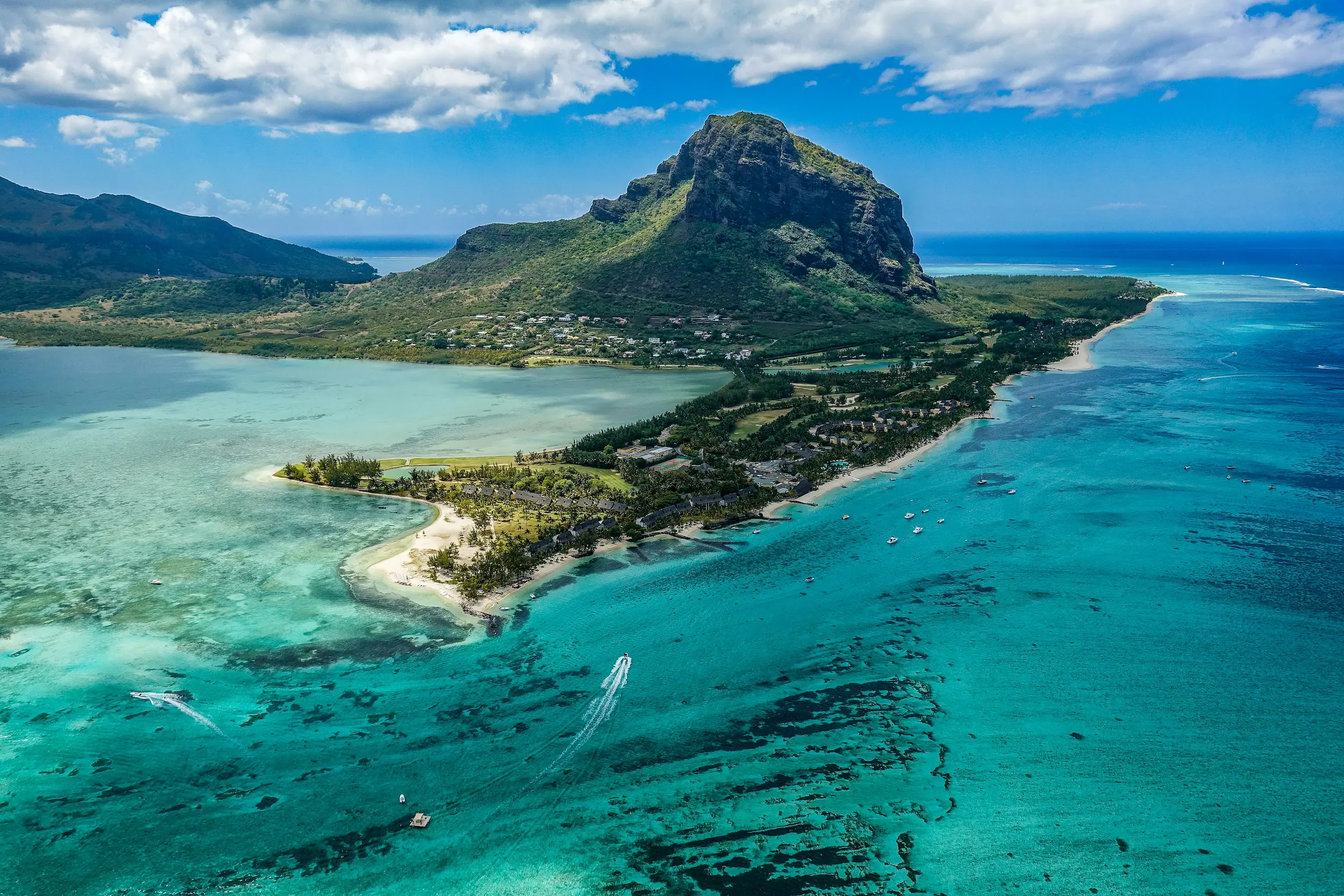
The sea is at its most inviting. Lagoon water warms to around 27°C as summer sets in, which suits snorkelling, diving, kayaking and long swims. Calm mornings are the best time for boat trips before afternoon breezes pick up.
| November | December | |
|---|---|---|
| Feel | Warm, mostly settled | Hot and humid, more showers |
| Sea | Warm, often calm | Warmest of the two, good visibility on calm days |
| Cyclone risk | Season opens 1 Nov; risk is low early on | Rising, but well below the January–March peak |
| Best for | Beaches, hiking before the heat, island tours | Beach holidays, diving, festive travel |
What cyclone season actually means
The official cyclone season runs from 1 November to 15 May. It marks a period of higher risk, not a forecast that a storm will arrive. Activity is usually concentrated between January and March, and many visitors travel through November and December without any disruption.
Mauritius Meteorological Services runs a four-class cyclone warning system. Class I is issued roughly 36–48 hours before damaging gusts are expected; Classes III and IV bring closures of offices, schools and most businesses. If you are travelling in this window:
- Book flexible accommodation and travel insurance that covers weather disruption
- Treat catamaran trips and offshore excursions as weather-permitting
- Follow official bulletins from Mauritius Meteorological Services, not social media reposts
For a full breakdown of seasons, coasts and microclimates, see our guide to the weather in Mauritius.
Festivals and public holidays
Four public holidays fall between 2 November and 2 January, each tied to a different strand of Mauritius's multicultural story.
| Date | Holiday | What happens |
|---|---|---|
| Mon 2 Nov 2026 | Arrival of Indentured Labourers | Official ceremonies at Aapravasi Ghat in Port Louis |
| Sun 8 Nov 2026 | Divali | Lamps lit at homes and temples island-wide; sweets shared with neighbours |
| Fri 25 Dec 2026 | Christmas | Midnight Mass, family meals, beach picnics on Christmas Day |
| Fri 1 – Sat 2 Jan 2027 | New Year | Fireworks at midnight, two days of family gatherings |
Arrival of Indentured Labourers — 2 November
This day marks the arrival of the first indentured workers from India in 1834, the start of a migration that shaped modern Mauritius. Commemorations centre on Aapravasi Ghat, the immigration depot on the Port Louis waterfront that is now a UNESCO World Heritage Site. It is worth visiting any time of year; the small museum and preserved stone steps tell the story well.
Divali — 8 November
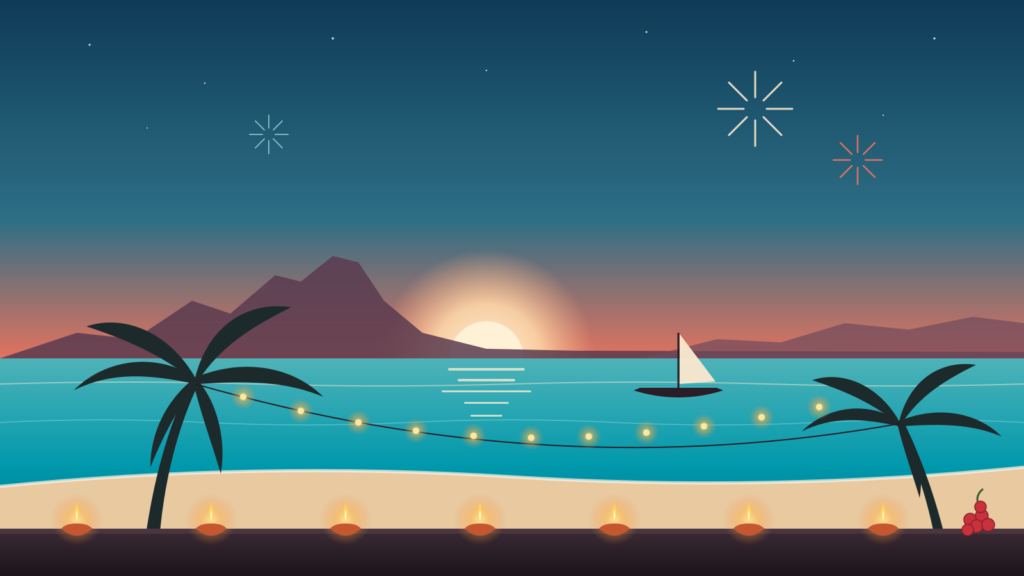
Divali, the Festival of Lights, is one of the most beautiful nights of the Mauritian year. Dhanteras falls on Friday 6 November, and the main celebration is on Sunday 8 November. After dark, clay lamps and strings of lights line verandas, walls and temple steps across the island.
Divali is celebrated well beyond the Hindu community. Families prepare trays of homemade sweets and share them with neighbours and friends of every faith. For visitors, a slow evening drive through villages in the north and centre of the island is the simplest way to see it.
Christmas and New Year
Christmas in Mauritius is a summer celebration. Midnight Mass is well attended, and on Christmas Day many families head to public beaches with picnics. New Year's Eve is loud and cheerful, with fireworks and firecrackers across the island at midnight, followed by two days of public holiday.
Dates for Divali follow the lunar calendar. Always confirm holiday dates against the Government of Mauritius's official public holidays notice before fixing meetings or bookings.
Festive-season travel: crowds, prices and where to go
The two months behave very differently. November and early December are among the best-value periods of the year; the fortnight around Christmas and New Year is the most expensive.
November to mid-December: the sweet spot. Hotels are quieter, rates are lower than at peak, and the weather is usually settled. It is a good window for a first visit, a honeymoon, or a combined holiday and property viewing trip.
Mid-December to early January: peak season. International arrivals rise sharply, and Mauritian schools break for the long summer holidays, so local families are on the beaches too. Book flights, hotels, car hire and popular restaurants well in advance, and expect minimum-stay rules at many resorts over Christmas and New Year.
Where to base yourself
- North (Grand Baie, Pereybère): the liveliest choice for festive nights out, restaurants and New Year's Eve
- West (Flic-en-Flac, Tamarin, Black River): calm summer lagoons and sunsets; easy access to Black River Gorges for an early-morning hike
- East (Belle Mare, Trou d'Eau Douce): long beaches and resort calm; summer trade winds are lighter than in winter
- South-west (Le Morne): dramatic scenery and kitesurfing, away from the busiest spots
Seasonal things worth doing
- Buy lychees from roadside sellers — the season runs through December, and they are sold by the bunch
- Snorkel or dive on calm mornings, when visibility is at its best
- Hike early, before 10am, to beat summer heat and afternoon showers
- See Divali lights on the evening of 8 November
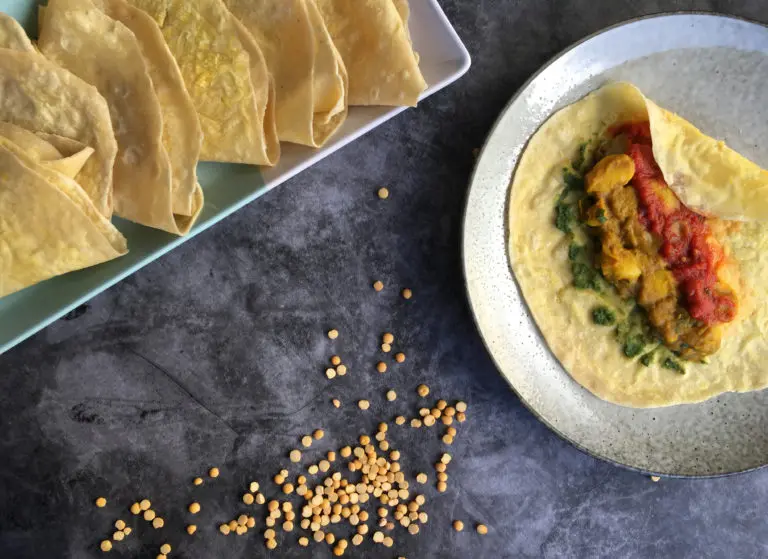
- Try festive street food at markets; our street food guide has the essentials
- Bring reef-safe sunscreen, a light rain jacket and a hat — summer sun is strong
For investors, business visitors and new residents
If you are coming to Mauritius to set up a company, view property or prepare a move, November is one of the most productive months of the year; the second half of December is one of the least.
- Schedule meetings in November and early December. Government offices, banks, law firms and management companies work normal hours outside the public holidays.
- Expect a slowdown from around 20 December. Many professionals take annual leave over the school holidays, and some offices close or run reduced teams until early January.
- Allow for holiday closures. Banks and government offices close on 2 November, 25 December, and 1 and 2 January. Check the official notice for how weekend holidays such as Divali are treated.
- Build cyclone flexibility into plans. A Class III or IV warning closes offices and suspends most activity until it is lifted, so leave a buffer day around critical signings or site visits.
- View property in summer conditions. A December visit shows how a home handles heat, humidity, drainage and sea exposure — useful context alongside a winter viewing.
For next steps on moving or investing, see Living in Mauritius, Business Setup and Property.
Common mistakes
- "Cyclone season means I should avoid November and December." The season opens on 1 November, but the highest risk is usually January to March. Flexible bookings and good insurance cover most of the risk.
- "Christmas week will be quiet because it's the rainy season." It is the busiest fortnight of the year. Book early.
- "Divali is a private religious festival." It is celebrated island-wide and visitors are welcome to enjoy the lights; sweets are often offered to neighbours and guests.
- "Holidays always move to Monday." Not necessarily. Check the official notice when a holiday falls on a weekend.
Quick answers
Is November a good time to visit Mauritius?
Yes. It is warm, usually settled, and better value than the Christmas peak.
When is Divali in Mauritius in 2026?
Sunday 8 November 2026, a public holiday.
When does cyclone season start?
Officially on 1 November; it runs to 15 May.
Is December expensive?
The first half is reasonable. From around 20 December to early January, prices and demand peak.
Will offices be open between Christmas and New Year?
Many are, with reduced teams. Plan important meetings for November or early December.